Big businesses used to be the primary adopters of AI. This is because, during its infancy, AI use needed more capital, propriety data sets, and a tech team in order to be used properly. However, in this day and age where AI is much more accessible, smaller companies are moving at a far quicker pace in taking advantage of this tool. This is coming from having fewer internal restrictions, as well as faster decision making. Hence, the AI tools are more adaptable without lengthy approval processes or significant operational delays.
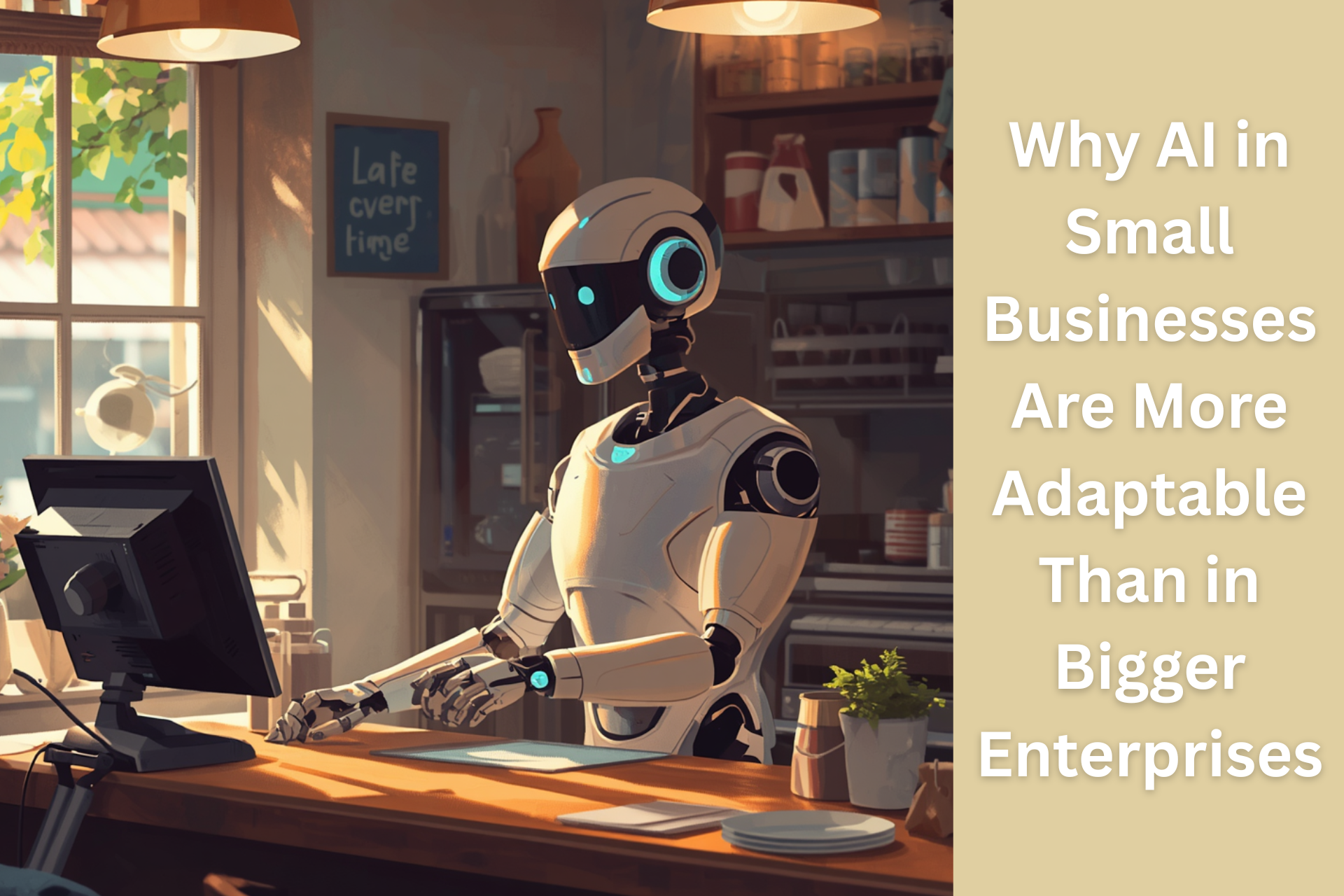
In addition to this, many small companies also feel stronger competitive pressure. Hence, they require more efficient systems to cope in the highly competitive market. AI in small businesses is used to automate repetitive tasks, enhance client support, and cut down working expenses without needing to employ a huge staff.
Speed Matters More Than Size
Larger companies tend to be cautious when it comes to new technology. They have complex systems and regulations and need several departments to approve every change. Hence, slowing down processes. Compared to big companies, using AI in small businesses only needs the owner/manager to say yes, and the staff can go. The decision comes easier as business owners can test tools personally and make instant decisions on strategy changes on their own. Thereby giving them a significant edge in times of rapid technological change. Furthermore, AI platforms now offer affordable solutions too. It is no longer necessary for businesses to spend a lot of money on automation. Subscription-based tools, for example, have also lowered entry barriers across many industries.
AI in Small Businesses Help Teams Do More
Many responsibilities are executed by smaller teams on a day-to-day basis. Oftentimes, only a handful of employees need to handle multiple tasks such as customer service, marketing, operations, and scheduling at the same time. This makes it tough to manage the load when businesses are growing. AI in small businesses like this reduces pressure on limited staff. Chatbots, for example, can answer common customer questions instantly. On the other hand, writing tools make it easier to generate emails, reports, and marketing material faster. Scheduling systems, just like Jasmine, can save time and are more efficient in performing repetitive administrative tasks. These tools help to save precious hours every week, enabling teams to focus on strategy and customer relationships rather than repetitive tasks.
Customers Expect Faster Service
In recent years, consumers’ expectations have also undergone a significant shift. Today, everyone is accustomed to businesses delivering fast responses and customized experiences. AI in small businesses helps automate systems to provide support outside normal business hours. In the same vein, recommendation tools also assist in enhancing customer experiences by engaging in personalized interactions. Old school businesses may not be able to keep up without AI as modern competitors can lure customers from behind by offering quicker and more responsive service.
Data Became Easier to Use
Even small businesses collect large amounts of information daily. Important information within client profiles, for example, can be overlooked by many smaller firms without the help of technical experts to analyze it. Having AI in small businesses, however, have levelled the playing field, as dashboards can now generate insights automatically. Predictive systems can produce real-time information and project results without the need to be taught. As a result, this enables business owners to understand customer behavior better and make better decisions promptly to improve operations.
The Future Favors Adaptable Businesses
The use of AI will keep growing in pace across the industry. So, companies that can adjust quicker could have long-term benefits over slower companies. Unfortunately, although small businesses know this, they can get overwhelmed by information and the sheer size of competitors. They do not realize that they can now compete by being fast, agile, and creative. These areas can be effectively supported by AI.
Are you one of the smaller companies who wants to lead the next wave of digital transformation?
Call us today and speak with one of our expert AI professionals!