
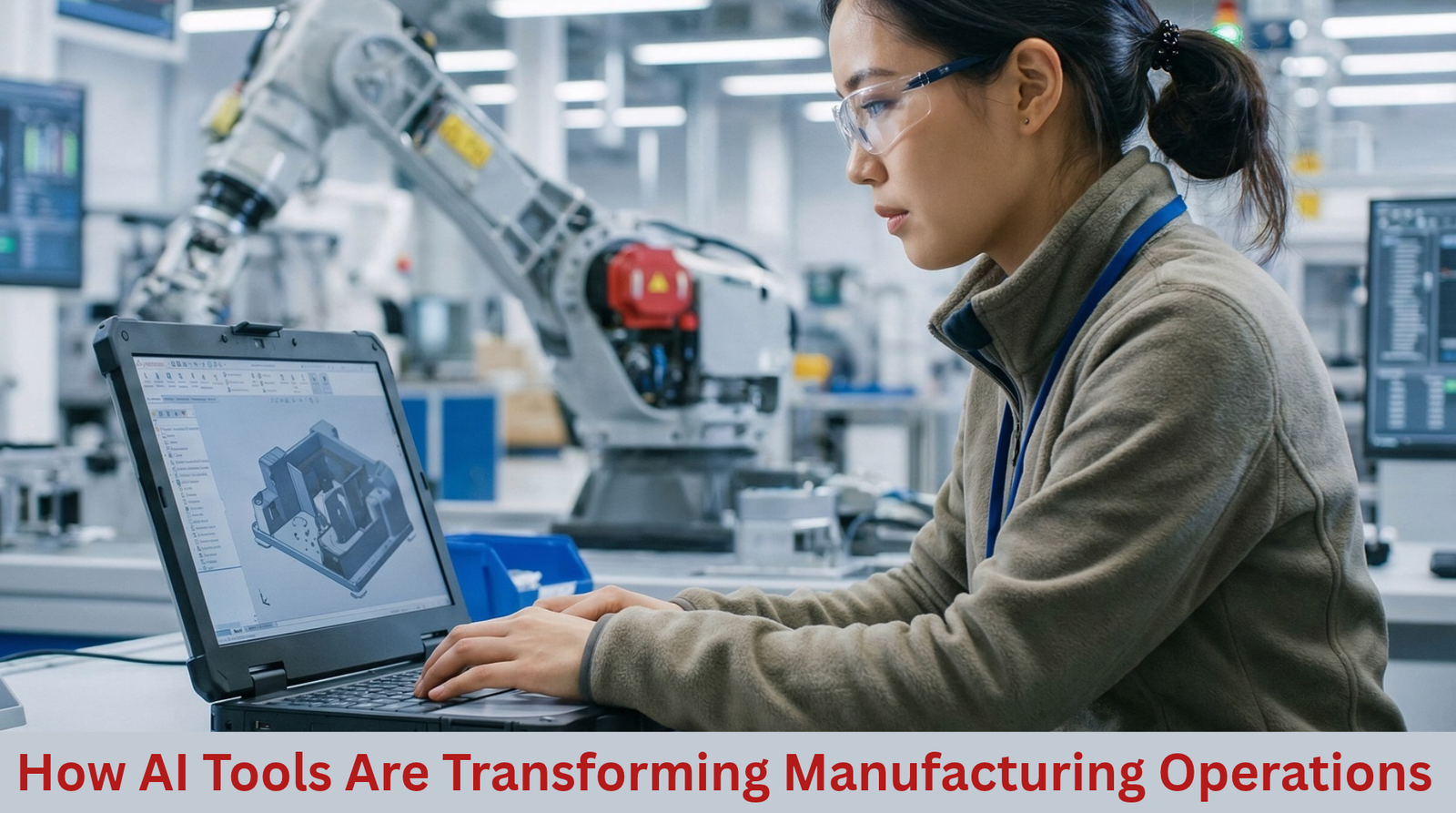
SoBusinesses face constant pressure to become more efficient. In manufacturing, for example, challenges such as production delays, equipment failures, and increasing costs are anticipated. However, traditional methods may not be efficient enough to meet growing operational needs. In this regard, AI tools are practical solutions for modern manufacturing operations. This is because they are able to process information, organize activities, and aid in quicker decision-making. So, manufacturers can increase productivity and keep better control of their operations.
Smarter Production Planning with AI Tools
Several departments are involved in the process of production planning. For example, materials, schedules, and resources are managed by different teams within the company. Despite this, even the carefully planned operations can be thrown out if there are unexpected changes. Fortunately, AI tools can analyze production data and identify potential delays. Moreover, managed AI agents can recommend scheduling adjustments based on current conditions. Thus, teams can react quickly with no need to rebuild production schedules. This improvement in planning helps reduce unnecessary interruptions so that manufacturers can maintain smoother workflows and meet delivery expectations.
Predictive Maintenance Reduces Downtime
Equipment failures can interrupt production and increase expenses, although these are among the things that companies should anticipate; emergency breakdowns can happen, nonetheless. Additionally, even with traditional maintenance updates happening at regular intervals or when unanticipated issues arise, both methods still present annoying challenges in operations. As such, AI tools can help monitor equipment data for unusual patterns. , they can flag potential problems before failures occur. As this happens, maintenance teams also receive alerts and useful diagnostic information. This early detection supports better maintenance planning. Additionally, diagnostic results allow for reduced downtime since the problem area has already been identified. Moreover, it also extends equipment reliability.
Quality Control Becomes More Consistent
Maintaining product quality requires careful monitoring throughout production. Because of this, manual inspections can become demanding during high-volume operations. Furthermore, small defects may also escape detection. Having AI tools can coordinate automated quality monitoring systems that can analyze inspection results and identify recurring issues. So, teams can investigate problems before they affect larger batches. This consistent monitoring supports stronger manufacturing standards, and businesses can reduce waste while improving product reliability.
Inventory Management Gets More Efficient with AI Tools
Manufacturers depend on reliable access to essential materials. On one hand, running out of inventory can cause delays in production and schedules. On the other hand, extra stock also generates extra storage costs. However, with AI tools, inventory is tracked efficiently across connected systems that can identify shortages and recommend timely replenishment. In line with this, purchasing teams are able to gain clearer visibility into material requirements. This improved inventory management supports uninterrupted production as well as better allocating of resources.
Employees Focus on Higher-Value Responsibilities
Manufacturing employees often handle repetitive administrative work such as updating records and preparing reports that consume valuable time. Despite being essential in operations, these activities can distract teams from important operational responsibilities. With AI tools, handling repetitive reports and information is made easier. As a result, staff are able to concentrate on solving problems and streamlining the process, especially since human know-how is still needed for complex production decisions. This partnership supports more productive manufacturing teams as technology in the form of AI agents handles repetition while people provide practical judgment.
Responsible Use of AI Tools Supports Manufacturing Growth
Despite the efficiencies that AI tools promise, there is a need for proper supervision in manufacturing. This means organizations need clear permission and reliable monitoring practices. Moreover, critical production decisions should still need appropriate human approval. Furthermore, regular evaluations help identify errors and improve agent performance while secure system connections also protect sensitive operational information. These safeguards support responsible automation across manufacturing facilities.
Managed AI tools can strengthen long-term manufacturing performance. They improve coordination while reducing unnecessary operational workloads. With responsible implementation, manufacturers can build more efficient operations.