AI in the Workplace: A Boost or A Bane?
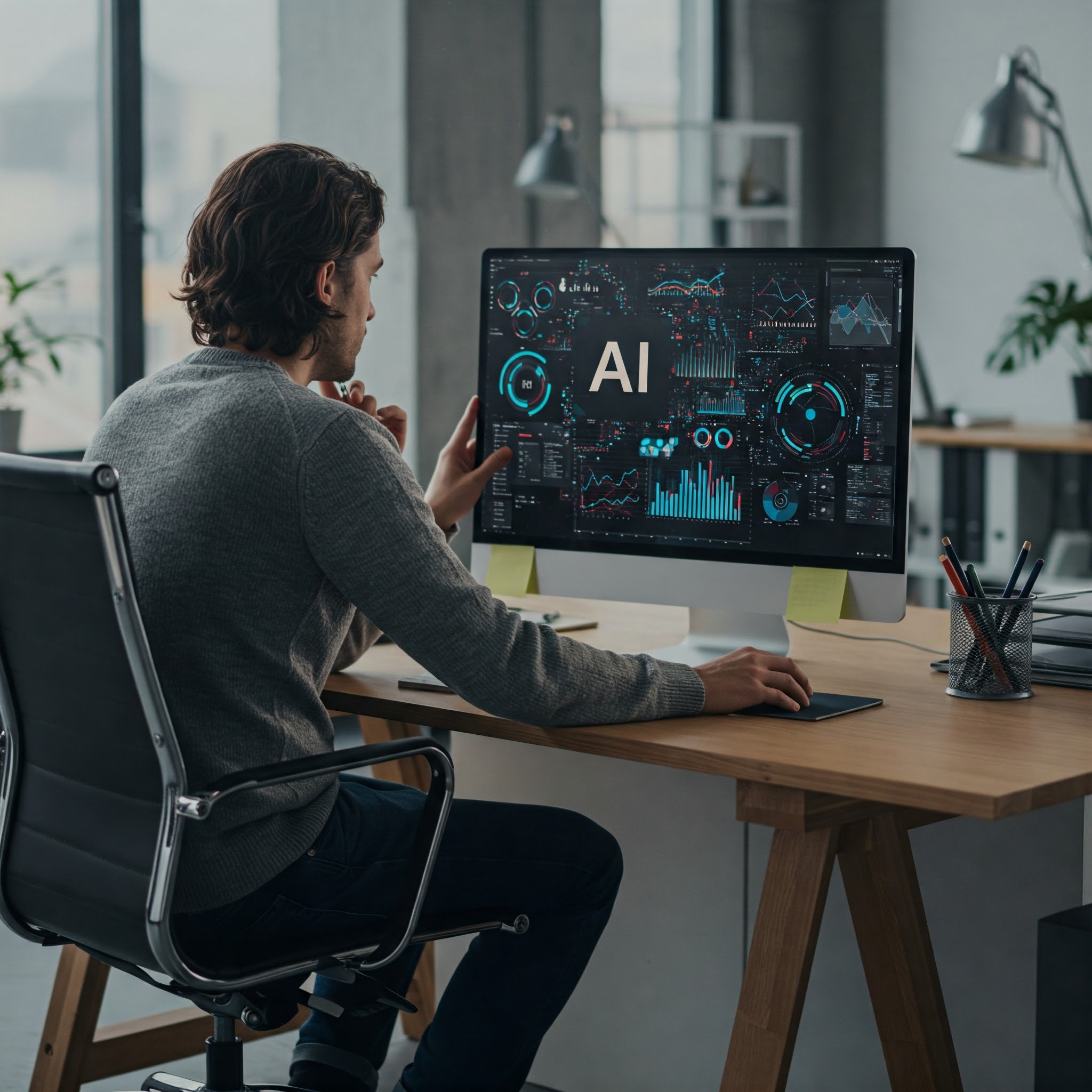
The integration of Artificial Intelligence (AI) technology in the workplace is reshaping office and business dynamics. In theory and in most cases, AI helps accelerate workplace operations and enhances overall growth and productivity leading to prospective business expansion. However, AI is not perfect—yet. Some systems may show errors and biases during operations. Others worry AI incorporation will result in job displacement. These challenges can be addressed by understanding how AI works and making sure to partner only with a reliable managed AI provider.
AI’s Role in Work
By replicating human intelligence, computers are now able to process data, create written content, and generate digital images. In several industries, they use AI technologies for operational improvement. Although not always the case, there are instances where AI makes mistakes in the data they produce. This is because people fail to realize that the quality of results that AI gives out is based on the quality of data it receives during training. AI generates mistakes when it consumes faulty data. That is why your provider of your managed AI services is extremely important.
Common AI Mistakes
Inaccurate Information
When working with AI systems, there are uncertainties about the accuracy of factual information. The system may confuse details while referencing old information sources and misunderstanding numerical data. Errors in reports along with marketing materials and customer interactions arise because of this issue.
Strange or Unreliable Outputs
Sometimes, AI generates nonsense. The system develops incorrect reports together with strange images or misleading responses. Users experience confusion because AI creates incorrect information that wastes their time.
The Issue of AI Bias
The data fed to AI systems contains possible biases that shape how AI operates. AI systems will make unfair decisions when they process flawed training data. Workplace discrimination results when AI systems employ data with erroneous info that affects hiring and promotion along with customer suggestion procedures.
AI’s Effect on Jobs
Job Loss Fears
Numerous employees fear that artificial intelligence will substitute their positions. Several job positions could face future elimination because AI carries out operations competently at affordable costs. This is primarily true in a workplace setting with repeated activities done such as data input.
New Skills Needed
As a result of repetitive jobs being handed over to Artificial Intelligence, it now requires human workers to adapt and learn new work tasks. Firstly, human staff need to learn effective AI implementation methods. They must be trained in new software tools so that they can work alongside AI systems that assist their tasks.
AI’s Reliability and Limitations
AI isn’t always dependable. If your managed AI provider does not train the AI well or provide input on how you and your staff can train the AI, the system can fail and misread commands. Furthermore, it can also crash and stop operations. Additionally, workflow implementation develops significant disruptions when organizations depend on AI systems quickly and excessively without human supervision.
Privacy and AI Concerns
AI systems gather extensive datasets which creates privacy risks that employees need to be concerned about. In the same vein, staff members are apprehensive when AI monitors their work activities while accessing private account information. As a result, businesses need to add safety policies that secure essential corporate information.
Best Practices for Using AI at Work
The implementation of responsible AI conduct requires businesses to execute the following measures:
- Verify AI-generated content for accuracy.
- Continuously oversee essential decision-making processes.
- Provide proper training to its workforce regarding AI applications.
- Make and enforce privacy policies that cover AI technologies.
AI’s Future in Workplaces
AI serves as a helpful resource yet poses certain dangers during its use. Being smart with AI requires proper consideration between machine automation and human analysis. The correct implementation of AI will enhance work processes without eliminating human abilities. Here at EB Solution, we make sure that the AI business solutions we offer our clients are well trained and tested to perform the tasks at hand. Our edge is that our managed AI staff are easily deployable and trainable. Plus, we have a team of experts who are readily reachable in case you need help figuring things out.
Want to know more about our Managed AI Business Solutions? Schedule your consultation today.